

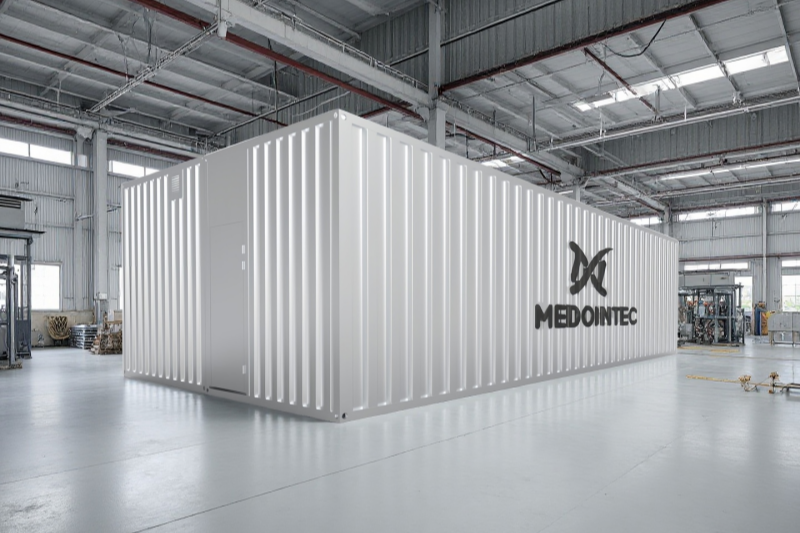
With their flexibility and convenience, mobile cleanrooms are playing an increasingly vital role in fields like scientific research, healthcare, and biopharmaceuticals. However, when investing in any piece of equipment, its lifespan is a critical factor. What is the lifespan of mobile cleanrooms? And what factors influence their longevity? This article will delve into these questions to help you make a more informed decision.
1.The Expected Lifespan of a Mobile Cleanroom: A Reasonable Estimate
Like any piece of equipment, the lifespan of a mobile cleanroom isn’t a single, fixed number. While it is influenced by various factors, a well-designed and properly maintained mobile cleanroom can typically be expected to last for 10 years or even longer. However, this is just a general estimate, and the actual service life can vary depending on its specific use case.
2.Key Factors That Affect a Mobile Cleanroom’s Lifespan
01.Product Quality and Manufacturing Process
a.Structural Materials:
The durability of the cleanroom is directly tied to the quality of its structural frame and wall materials. High-quality steel, corrosion-resistant coatings, and high-strength composite materials can all significantly extend its life. For example, a frame made of galvanized or stainless steel will resist corrosion far better than standard steel.
b.Airtightness:
A perfect seal is crucial for maintaining a sterile environment and is also key to the unit’s longevity. High-quality sealing materials and a precision manufacturing process ensure the cleanroom remains airtight over the long term.
c.Electrical Components:
The quality of components like the HVAC system, fans, and lighting directly impacts the cleanroom’s overall performance and lifespan. Choosing reputable brands and high-quality parts reduces the risk of failure and extends the equipment’s operational life.
d.Supplier Selection:
Choosing a reputable and experienced supplier is vital. They typically adhere to stricter quality control standards and provide more reliable products and after-sales service.

02.Operating Environment
a.Temperature and Humidity:
Extreme fluctuations in temperature and humidity can negatively affect the cleanroom’s structure and performance. For instance, prolonged exposure to hot, humid conditions can accelerate material aging and cause seals to fail.
b.Air Quality:
Airborne contaminants like dust, particulates, and chemical vapors can clog filters more quickly, reduce air purification efficiency, increase maintenance costs, and shorten the equipment’s life.
c.Corrosive Environments:
Using the cleanroom in an environment with corrosive substances can lead to material oxidation and decay, compromising the unit’s safety and reliability.
d.Vibration and Physical Shocks:
Frequent vibrations or impacts can damage the cleanroom’s structure and joints, affecting its stability and airtightness.
03.Routine Maintenance
a.Regular Cleaning:
Regularly cleaning the interior surfaces to remove dust and debris helps maintain cleanliness and extends the life of the materials.
b.Filter Replacement:
Replacing air filters (pre-filters, medium-efficiency filters, and HEPA filters) on schedule ensures proper air purification and protects critical components from strain.
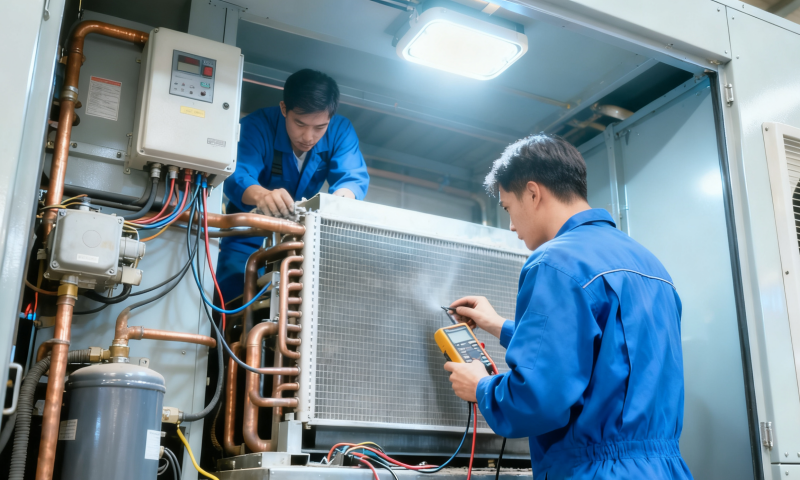
c.Equipment Inspection:
Periodically check the operational status of the HVAC system, fans, and lighting to catch and resolve potential issues before they become major problems.
d.Seal Inspection
Inspect gaskets and sealants regularly to ensure they remain intact and sterile.
e.Professional Servicing:
Depending on the unit, schedule professional maintenance for tasks like electrical system checks and control system calibration.
04. Usage Frequency and Intensity
a.Continuous Operation:
The longer the equipment runs continuously, the greater the wear and tear on key components like fans and compressors, which will shorten their lifespan accordingly.
b.Frequent Power Cycling:
Turning the equipment on and off frequently can put stress on electrical components, reducing their service life.
3.Practical Tips to Extend Your Mobile Cleanroom’s Lifespan
01.Choose Wisely
When purchasing, select a reliable brand and supplier with a strong reputation. Carefully compare the structural materials, manufacturing processes, and electrical components of different products.
02.Control the Environment
Whenever possible, avoid exposing the cleanroom to extreme temperatures, high humidity, heavy pollution, or corrosive environments.
03.Maintain Rigorously
Establish a comprehensive maintenance schedule for regular cleaning, inspections, and replacement of consumable parts.
04.Operate Correctly
Follow the instructions in the operating manual for proper use and care to prevent unnecessary damage and wear.
05.Schedule Professional Inspections
Have a qualified technician perform a full inspection of the equipment periodically to identify and fix any underlying issues.
4.How Smart Technology Can Help Predict and Manage Lifespan
Some advanced mobile cleanrooms are equipped with smart monitoring systems that track the unit’s operational status in real-time, record key data, and use this information to predict its remaining lifespan. These intelligent systems can also automatically generate maintenance schedules and reminders, helping users to better manage and preserve their equipment. For instance, products from Medointec are equipped with these intelligent features.

5.Conclusion
The lifespan of a mobile cleanroom is a complex issue influenced by product quality, operating environment, routine maintenance, and usage frequency. By choosing a high-quality product, carefully controlling its environment, and adhering to strict maintenance and operating protocols, you can significantly extend its service life and maximize your return on investment.
What are your tips and tricks for extending the life of your equipment? What features do you hope to see in future cleanroom designs? Feel free to share your thoughts in the comments below. If you require further information regarding the selection, usage, or maintenance of mobile cleanrooms, please feel free to reach out to our team. We’re here to provide expert consultation