

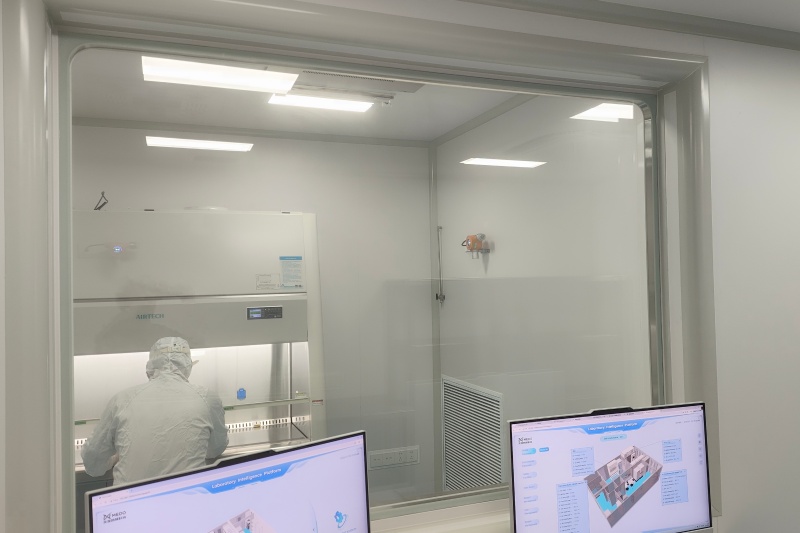
The answer to this question is a definite yes: Modular Clean Room can certainly be used to manufacture CAR-T therapies.
This has been made possible by advancements in two key technologies: modular cleanroom technology and closed-system automated cell processing. Conventionally, CAR-T cell manufacturing required large, centralized, high-grade cleanroom facilities to ensure absolute sterility. Today, however, by housing highly integrated, automated systems within rapidly deployable modular cleanrooms, we can establish small-scale, GMP-compliant (Good Manufacturing Practice) production sites directly at the point of care. This innovative, decentralized manufacturing model is not only technically viable but is also designed to overcome the core challenges of conventional CAR-T therapy, namely its lengthy production cycles and prohibitive costs.
1.The High Standards of CAR-T Therapy: Asepsis is Everything
To understand the feasibility of Modular Clean Room, one must first grasp the specific requirements of CAR-T therapy. Unlike traditional chemical drugs or antibodies, CAR-T therapy is a personalized, living cell product. The basic process involves:
01.Cell Collection:
Isolating immune T-cells from the patient’s blood.
02.Genetic Modification:
In a controlled laboratory environment, T-cells undergo genetic engineering to introduce a Chimeric Antigen Receptor (CAR), which functions as a navigation system that enables the cells to identify and attack the target cancer cells.
03.Cell Expansion:
The modified CAR-T cells are cultured in vitroto multiply into the large numbers required for treatment.
04.Quality Control:
The expanded CAR-T cells undergo rigorous quality checks to ensure their purity, viability, and sterility.
05.Infusion:
The qualified CAR-T cells are infused back into the patient’s bloodstream to begin their targeted assault on cancer cells.
Because the final product consists of living cells, it cannot be terminally sterilized like conventional drugs. Therefore, the entire manufacturing process must be conducted in an exceptionally clean environment to prevent any microbial contamination. According to global Good Manufacturing Practices (GMP), the open-process steps of CAR-T cell manufacturing typically require a Grade B or C cleanroom background with operations performed in a Grade A environment, such as a biosafety cabinet or an isolator, to ensure absolute sterility.

2.Features of “Modular Clean Room”: Modularity and Automation
When we talk about “Modular Clean Room” for CAR-T therapy, we aren’t referring to a laboratory in a truck that can be driven away at a moment’s notice. A more accurate term is a “decentralized manufacturing” model, which relies on two core components: modular cleanrooms and closed, automated cell processing systems.
01.Modular Cleanrooms:
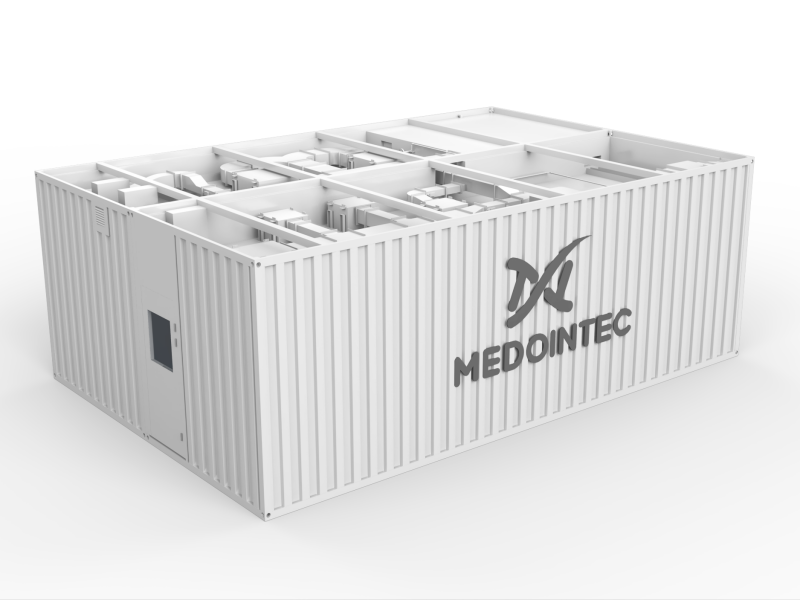
These are prefabricated cleanroom facilities that can be built and deployed quickly, much like assembling building blocks. They can be set up near or within a hospital as needed, establishing a GMP-compliant cell production environment without the lengthy timelines and massive investment required for a large, centralized manufacturing plant.
02.Closed, Automated Cell Processing Systems:
Several biotech companies have developed highly integrated, automated instruments, such as Lonza’s Cocoon Platform and Cytiva’s Sepax system. These devices function like a “black box,” automatically handling complex steps like cell separation, activation, transduction, and expansion within a single-use, sterile disposable kit. Because the entire process is enclosed, the risk of environmental contamination is significantly reduced, which can lower the requirements for the surrounding cleanroom environment.
By placing these advanced automated systems inside modular cleanrooms, hospitals can establish their own “micro-factories” for CAR-T production. This model not only overcomes technical hurdles related to the manufacturing environment but also offers significant advantages for the broader adoption of CAR-T therapy.

3.The Huge Potential of Modular Clean Room: Faster, Cheaper, and More Accessible
Compared to the traditional centralized manufacturing model (where patient cells are shipped via cold chain to a distant factory and the final product is shipped back), a decentralized, point-of-care production model offers clear benefits:
01.Significantly Reduced “Vein-to-Vein” Time:
The conventional CAR-T manufacturing cycle, including logistics, often takes several weeks to over a month. For critically ill patients, this long wait can lead to disease progression and missed treatment opportunities. On-site production at the hospital can shorten this turnaround time to just a few days, buying precious time for patients and potentially reducing the need for “bridging chemotherapy” to control the disease while waiting.
02.Lower Treatment Costs:
A substantial portion of the high price of CAR-T therapy is due to complex cold-chain logistics and the massive costs of building and operating a centralized facility. Decentralized manufacturing eliminates long-distance shipping expenses, and modular facilities are more cost-effective, which could fundamentally lower the price of treatment and make it affordable for more patients.
03.Improved Accessibility:
Currently, CAR-T therapy is primarily available at major medical centers. Deploying smaller, modular production facilities at more hospitals can extend this cutting-edge technology to patients in remote areas or at institutions that would otherwise lack the resources, thereby improving healthcare equity.
04.Enhanced Flexibility and Scalability:
The modular design allows production capacity to be flexibly adjusted based on demand. To increase output, new automated units can simply be added. This “scale-out” approach is far more efficient than building a new large-scale factory.
4.Challenges and Outlook
Despite its promising future, moving CAR-T production from a central plant to the hospital’s doorstep presents challenges. A key technical and regulatory challenge is maintaining consistent and strict quality control across various production locations. Additionally, issues like the initial investment in equipment, staff training, and obtaining separate GMP certification for each site need to be addressed.
In conclusion, decentralized CAR-T manufacturing using modular cleanrooms and automated systems is technically feasible and represents a key strategy for solving the current bottlenecks in CAR-T therapy. As technology continues to mature and regulatory frameworks adapt, this more efficient, economical, and convenient production model is poised to accelerate the adoption of CAR-T therapy, allowing this “cancer-fighting miracle” to benefit many more patients.
If you would like to learn more about Modular Clean Room, please contact us.